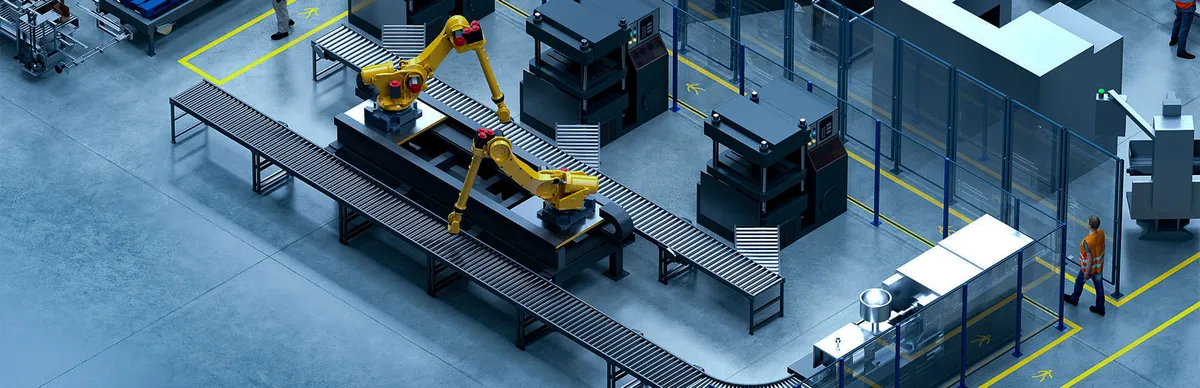

Systems Design
Planning and structuring of processes and facilities to optimise production efficiency and resource utilisation
Analyse and redesign workflows to minimise bottlenecks and streamline operations across manufacturing and assembly lines
Implement adaptable systems that can quickly respond to changes in product types, volumes, and demand
Develop models for effective allocation of resources like labor, materials, and machinery to meet production targets
Value Stream Mapping
Utilising value stream mapping to visualise, analyse, and improve workflow
Utilising visualisation tools that maps out all the steps involved in a process, from raw material acquisition to product delivery, enabling a clear understanding of the flow of information and materials
Applying lean methodology and principles Identifying waste, bottlenecks, and non-value-added activities within a process,
Helping teams and stakeholders understand the process flow, fostering collaboration and alignment
Facility Design and Layout
Optimising production lines and facilities
planning and arrangement of physical spaces, including buildings and work areas, to optimise workflow, efficiency, and safety
Arranging workspaces and equipment to create efficient workflows that minimize movement and reduce production times, enhancing overall operational efficiency
Designing layouts that maximize the use of available space
Incorporating ergonomic principles and safety standards in the design to create a secure working environment
Production Planning
Managing production schedules, resources, and workflows to meet demand efficiently and effectively
Implement JIT-JIS principles to reduce inventory levels while ensuring that materials arrive exactly when needed in the production process.
Create a detailed schedule that outlines what needs to be produced, when, and in what quantities to meet customer demands
Analyse production capabilities and forecast future needs andt resources
Work Measurement & Design
Evaluating and designing job tasks and work environments to improve efficiency, safety, and ergonomic performance.
Determine standard times for tasks using time studies and work sampling techniques to create benchmarks
Design workstations that promote ergonomic practices, increasing productivity
Create job roles that are clear and manageable, ensuring that tasks are aligned with employees’ skills
Supply Chain Management
Coordinating and managing all activities involved in sourcing, procurement, production, and logistics to deliver products
Implementing quantity methods and safety stock calculations to maintain optimal inventory levels without excess
Creating initiatives aimed at improving supplier performance through training, collaboration, and shared goals
Utilise forecasting and planning tools to align supply with expected demand, minimising overproduction and stockouts


Contact us
Created with
Instago